

 2026-08-14
 Author:Danube machine
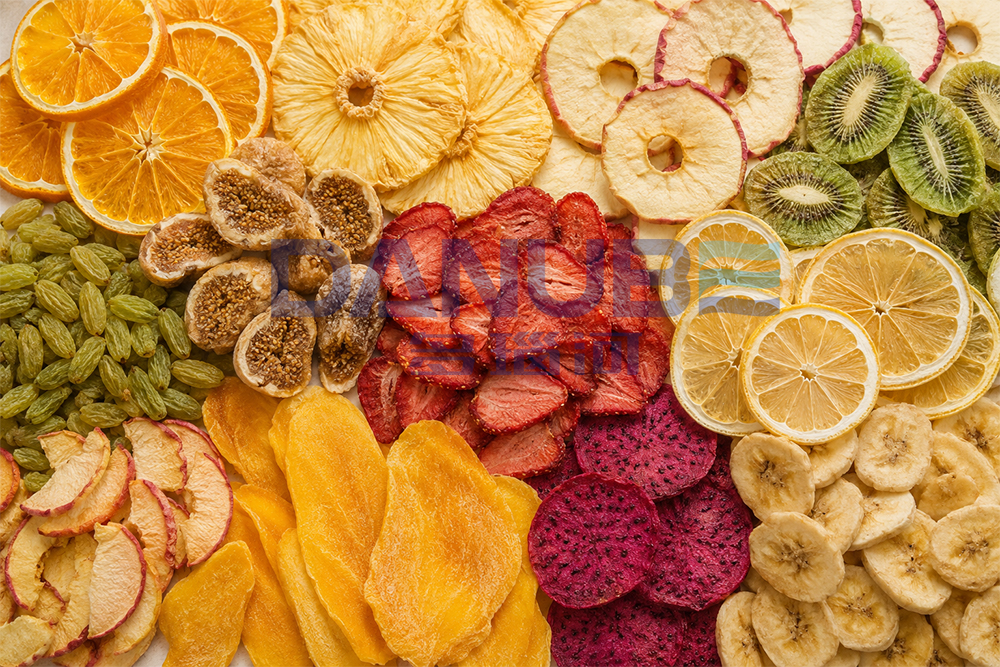
For commercial fruit and vegetable processing, drying efficiency and product consistency are crucial factors directly impacting production costs and final product quality. Continuous fruit and vegetable drying lines are designed to provide a stable and efficient solution for large-scale dehydration.
Compared to intermittent drying equipment, continuous dryers allow fresh materials to continuously enter the drying system, while the dried product exits from the other end. This significantly reduces manual labor, saves budget, and makes the entire process more suitable for automated production.
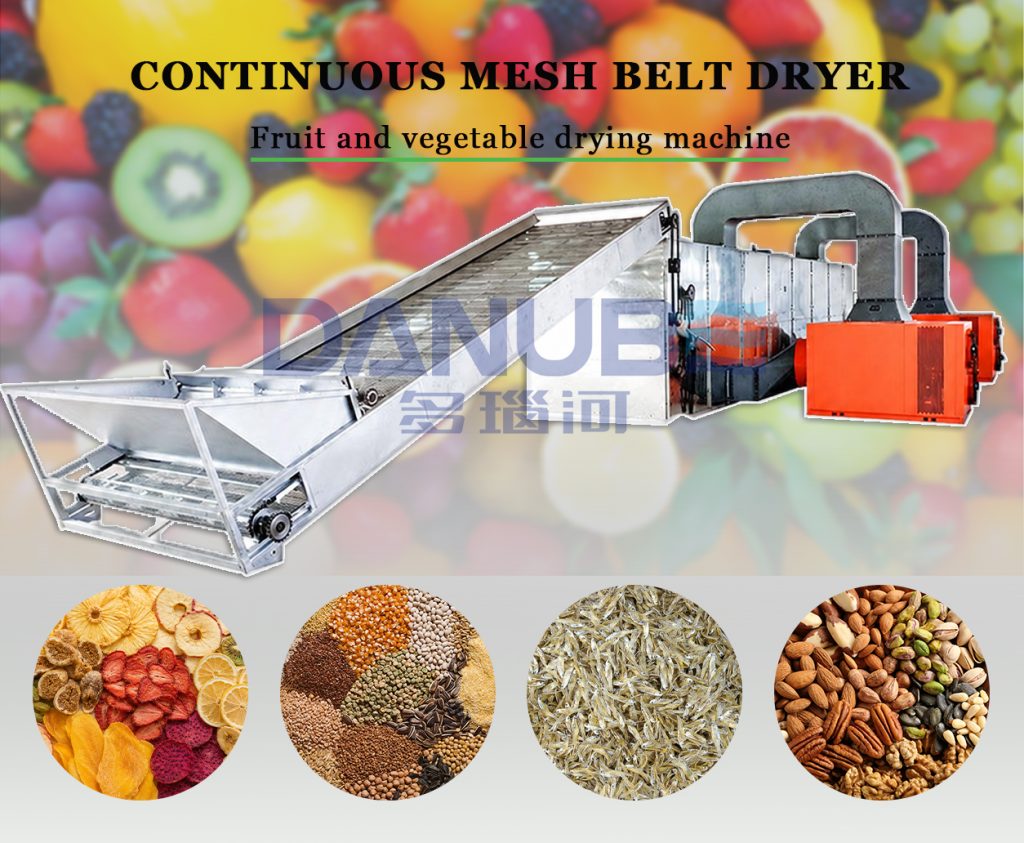
Another advantage of continuous fruit and vegetable dryers is the ability to control temperature, hot air circulation, and material residence time within a defined range, adjusting according to the unique characteristics of different fruits and vegetables. Proper control helps to remove moisture evenly while minimizing over-drying, discoloration, or quality loss.
Continuous dryers are also suitable for long-term operation and high-volume processing. They can be integrated with washing, peeling, slicing, feeding, cooling, and packaging equipment to form a complete fruit and vegetable dehydration production line.
Whether processing apples, bananas, mangoes, pineapples, carrots, onions, mushrooms, or other agricultural products, a well-configured continuous dryer provides reliable drying performance and improves overall production efficiency.
For large-scale fruit and vegetable dehydration, choosing a suitable continuous drying system can help reduce labor requirements, maintain stable product quality, and support stable production throughout the year.
How Do You Correctly Choose A Mango Dryer?
09-24Nut Dryer: An Efficient Hot-Air Circulation Drying Solution
09-11How to Dry Garlic Slices? Garlic Slice Drying Processes and Equipment in Food Processing
08-28How to Dry Chili? Chili Drying Machines, Drying Time, and Process
08-14Why Use a Continuous Dryer for Fruits and Vegetables?


